
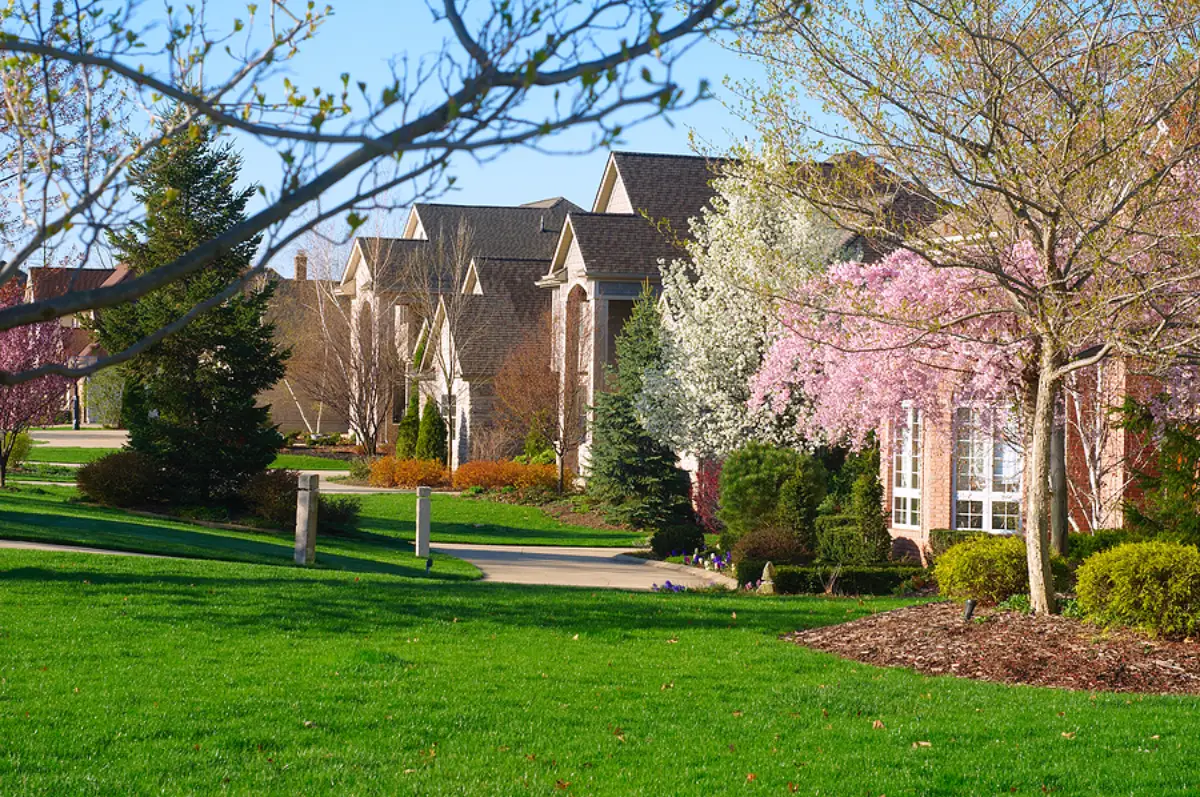
Board turnover affects every homeowners association, yet self-managed HOAs in Columbus often experience deeper disruption when leadership changes. Almost 2.5 million homeowners serve on volunteer HOA boards and committees, contributing over 100 million hours of unpaid service each year, according to the 2024 Review by the Foundation for Community Association Research, which highlights the significant role of volunteer leadership in maintaining continuity. Over time, these issues create more than short-term inconvenience. They increase operational risk, strain remaining volunteers, and undermine confidence in the board’s ability to govern consistently.
Recognizing why continuity breaks down during board transitions allows HOA members to evaluate their current structure and identify where stronger systems and planning are needed to protect the community long term.
Key Takeaways
- Board turnover often results in the loss of knowledge and operational delays.
- Inconsistent enforcement can weaken homeowner trust over time.
- Volunteer burnout leads to rushed transitions and incomplete handoffs.
- Financial planning and vendor relationships are vulnerable during leadership changes.
Knowledge Loss and Poor Information Transfer
Self-managed HOA boards often rely on informal processes developed through experience rather than formal documentation. When long-serving volunteers step down, critical context about prior decisions, enforcement history, and operational workflows can be lost. That institutional knowledge often leaves with the individuals who served, leaving new board members without the background they need.
Nationally, there are approximately 373,000 homeowner associations in the U.S., representing a significant portion of the housing market and underscoring how many communities depend on volunteer governance and informal knowledge transfer that can be lost during turnover.
- Uncaptured enforcement history: Without written records, incoming leaders may misinterpret past decisions or apply rules inconsistently.
- Missing operational context: New board members lack familiarity with the workflows previously handled by outgoing volunteers, which slows progress and creates confusion.
- Repeated mistakes: Without structured onboarding and documented procedures, associations often rebuild lost knowledge every few years rather than strengthening long‑term stability.
Disorganized Records and System Inconsistency
Recordkeeping problems often surface during board transitions in self-managed HOAs. When documents are scattered or technology changes without proper migration, continuity suffers and operational risk rises.
- Scattered document storage: Files stored across personal email accounts, private cloud folders, and paper binders are hard to locate during turnover, delaying decisions and creating information gaps.
- Loss of access during transitions: Outgoing board members retaining logins or files can leave remaining volunteers scrambling to retrieve critical records.
- Technology changes without migration: Switching from spreadsheets to a new platform without transferring historical data can result in lost or incomplete information.
- No centralized record system: Associations that fail to adopt digital management tools risk losing continuity and critical documents during leadership changes.
Pro Tip: Centralized systems and standardized technology help preserve records and ensure smoother board transitions.
Inconsistent Governance and Enforcement
Board turnover often brings shifts in priorities and decision-making styles, leaving homeowners uncertain about rules and expectations. Self-managed HOAs are especially vulnerable when new boards reinterpret governing documents or reverse past decisions without context.
Misinterpreting Bylaws and Covenants
New board members may read governing documents differently, applying rules in ways that previous boards never intended. This can create confusion and disputes among homeowners.
Reversing Previous Penalties or Fines
Adjustments to enforcement practices, fines, or penalties can feel arbitrary if prior reasoning isn’t documented. Frequent changes erode trust and make compliance harder to maintain.
Inconsistent Rental Inspection Enforcement
Leadership changes can disrupt how associations manage rental inspections, leading to uneven enforcement and resident frustration. Communities that stay informed on rental property inspection requirements are better positioned to maintain consistent governance.
No Neutral Oversight During Transitions
Self-managed boards typically depend on outgoing members to pass along information. Personal dynamics, limited availability, or burnout can result in rushed or incomplete handoffs. Important context may be unintentionally omitted, leaving new volunteers without a full understanding of their responsibilities.
Without neutral oversight, continuity depends entirely on individual effort. Boards that struggle with transitions often recognize the importance of leadership qualities outlined in discussions about the traits of great managers, particularly organization, accountability, and consistency.
Financial and Operational Disruptions
Board turnover can create significant financial and operational challenges in self-managed HOAs. When key volunteers like treasurers step down, critical knowledge about budgets, reserves, and vendor relationships often leaves with them.
- Lost budget context: Undocumented budget assumptions and reserve strategies leave new board members unsure how funds were allocated or why past financial decisions were made.
- Delayed maintenance projects: Lack of clarity around funding and schedules can stall repairs or upgrades, affecting community upkeep.
- Vendor relationship disruptions: Contractors may face repeated onboarding, renegotiations, or service delays when new board members take over communication.
- Weakened long-term planning: Associations that rely on annual reserve studies are better positioned to maintain financial stability even as leadership changes.
FAQs about Self-Managed HOA Boards Continuity During Turnover in Columbus, OH
How often do HOA boards typically turn over in Columbus communities?
Many associations experience partial board turnover every one to three years, depending on term limits and the level of volunteer participation.
What risks do insurance carriers associate with frequent board turnover?
Frequent turnover can signal inconsistent governance, gaps in recordkeeping, and increased liability exposure.
What happens if no homeowners volunteer to replace outgoing board members?
Remaining members may need to appoint replacements or operate with fewer volunteers, increasing the strain on them.
Are outgoing board members legally required to transfer records in Ohio?
Yes, board members have a fiduciary duty to provide association records, though the process is not always structured.
How long should a board transition period last in a self-managed HOA?
Several weeks is ideal, but many associations experience little to no overlap.
Protect Your HOA From Leadership Gaps with PMI Scioto Metro!
Self-managed HOA boards in Columbus often struggle with continuity due to lost knowledge, inconsistent governance, volunteer burnout, and financial disruption. These challenges become more pronounced in growing communities where leadership turnover is frequent, and operational demands continue to increase.
Many associations find stability by maintaining consistent systems and oversight regardless of who serves on the board. This is why more communities are considering professional HOA management partnerships to support continuity during transitions.
At PMI Scioto Metro, we help self-managed boards maintain stability while retaining local control. Our services are designed to reduce disruption during board turnover and support long-term consistency, including:
- Centralized record and document management
- Financial oversight and reserve planning assistance
- Vendor coordination and continuity support
- Board transition and compliance guidance
Keep your HOA running smoothly, no matter who’s on the board. You can discover self-managed services from PMI Scioto Metro that protect continuity and simplify every leadership transition.
